
Notes from a small town are best written slowly, one observation at a time. The postman who knows everyone by name. The café where the same four men have sat at the same table for twenty years. The library with a bell on the door that rings a little too loudly. Small towns are not small at all when you look closely; they are just honest about their size.
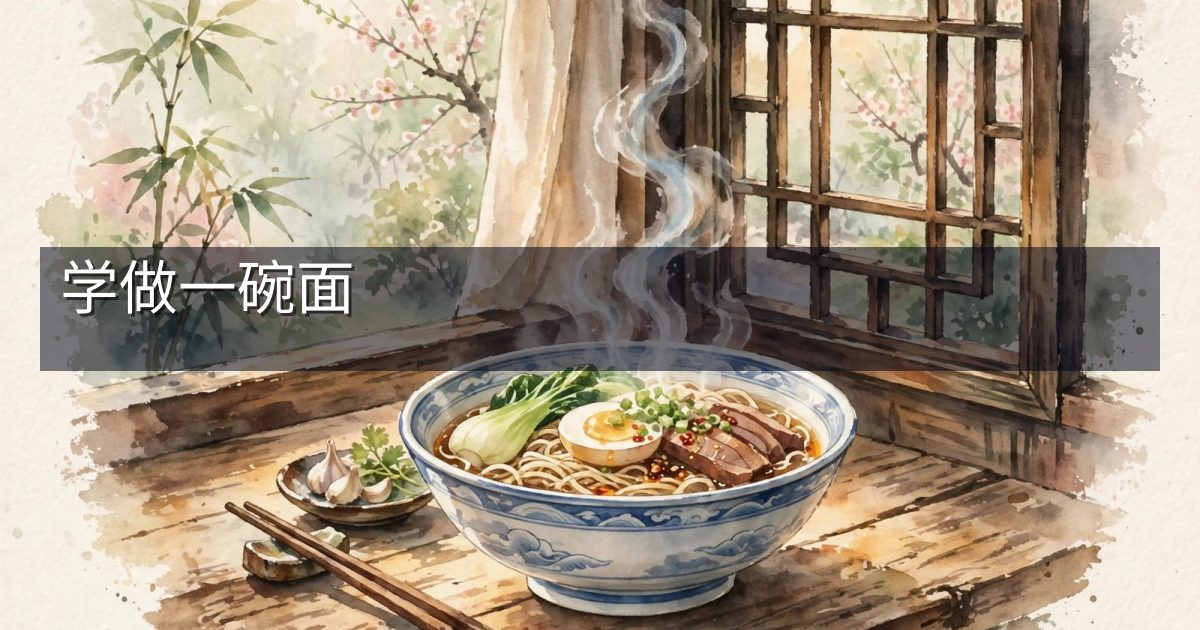
Winter light is different from any other light. It comes late, leaves early, and in between it is low and sharp, cutting across the room in long bars. On clear winter afternoons I sit by the window with a book and watch the light move across the floor, a little further every ten minutes. It makes the house feel both colder and warmer at once, and it makes me want to cook something slow, something that fills the kitchen with steam.
I started walking before breakfast this spring, not for exercise exactly, but to have a part of the day that belongs to nobody else. The streets are empty at six, the shop shutters are still down, and the light comes in low and gold between the buildings. I pass the same bakery every day and the smell of fresh bread follows me for half a block. By the time I get home, the city has woken up, and so have I, in a quieter way than any alarm could manage.
Cooking for one person is an underrated skill. The trick is to stop thinking of it as a smaller version of cooking for four and start treating it as something else entirely: a short conversation with yourself at the end of the day. One pan, one plate, one glass of something cold. The food does not need to impress anyone, which is freeing. Some of my best meals have been eaten standing by the stove, and I have no regrets about any of them.
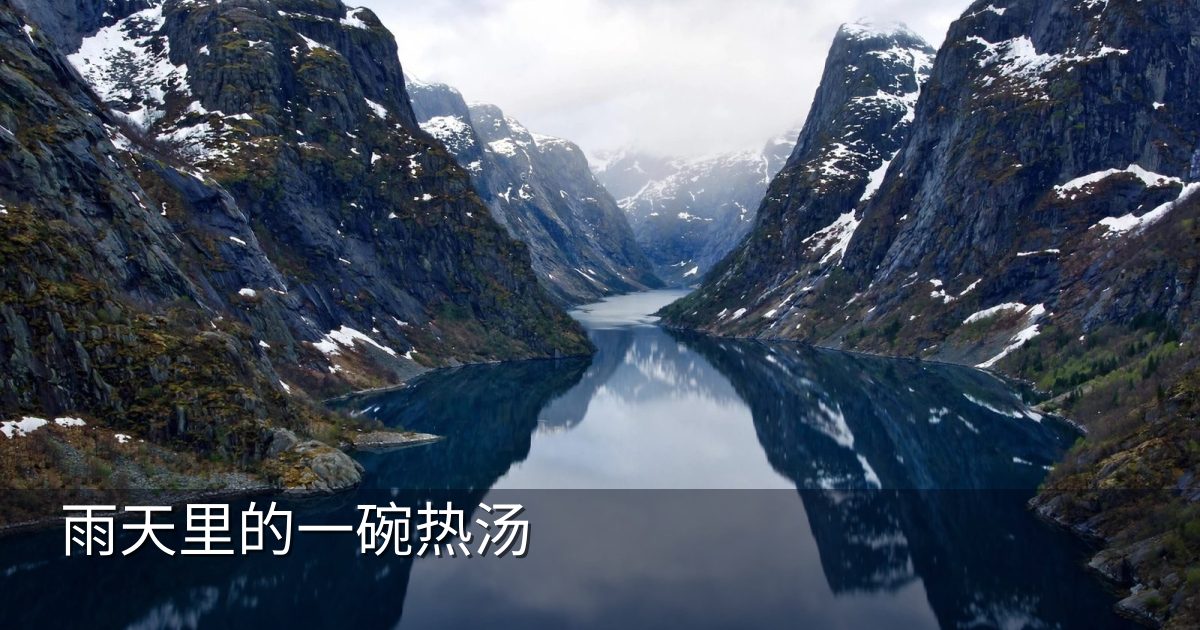
Rain on the window is my favourite sound in the world. It is steady without being boring, soft without being silent, and it makes the room feel smaller and safer. On rainy nights I put down the phone, make something warm to drink, and listen. The city outside is still there, but it feels far away, muffled by water. Some people need music to fall asleep. I only need rain.
The garden after rain smells different from anything else, all wet earth and crushed leaves and something green I cannot name. I walk out in my slippers, not caring about the mud, and check on the plants I thought the storm might have hurt. They are fine. They are better than fine, standing a little taller, shaking the water off their leaves. Gardens forgive a lot, if you give them time.
I found a box of old letters in the back of a drawer last weekend, written in a hand I barely recognised as my own. They were full of plans I had forgotten making, worries that never came true, and small joys I had somehow let slip away. Reading them felt like meeting a younger version of myself and finding him braver than I remembered. I kept three of them and threw the rest away, but not before writing down the one sentence that mattered most.
The small garden on my balcony started with a single pot of mint, bought on a whim in spring. I watered it when I remembered, which was not often, and yet it grew, spreading across the railing with unreasonable confidence. In summer I cut a few leaves for tea, and the smell alone was worth the trouble. Plants are patient teachers. They do not hurry, they do not complain, and they remind you, every morning, that growth is mostly a matter of showing up.
Evening in the mountains is quieter than any evening I know. The light leaves the valleys first, climbing slowly up the slopes until only the peaks are still lit. The air turns cool, the birds go quiet, and the stars come out one by one, as if they were shy. I sit outside with a blanket and a warm drink, and I do not think about tomorrow at all. The mountains are good at teaching that.
—— 本文首发于 光阴慢递(www.pai.gg),转载请注明出处。原文:《The Village Bakery》
评论(0)
还没有评论,快来写下第一条吧。