I bought a second-hand guitar in March, mostly because it was cheap and I liked the colour. For weeks the only thing I could play was a single chord, and even that buzzed. Then one evening, without quite knowing how, my fingers found the next chord, and then the next. It was not beautiful, but it was music, and it was mine. Learning an instrument as an adult is humbling, but it teaches you something school never did: that being bad at something is only the beginning.
Winter light is different from any other light. It comes late, leaves early, and in between it is low and sharp, cutting across the room in long bars. On clear winter afternoons I sit by the window with a book and watch the light move across the floor, a little further every ten minutes. It makes the house feel both colder and warmer at once, and it makes me want to cook something slow, something that fills the kitchen with steam.
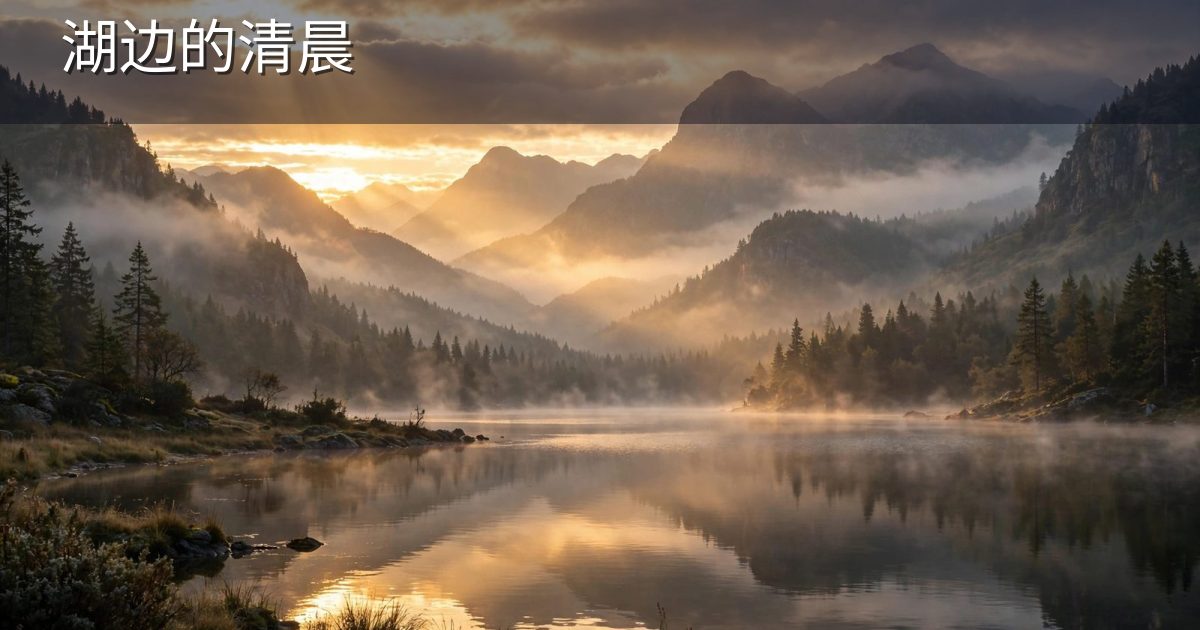
Morning light on the windowsill is the first thing I notice when I wake up, a thin gold line that grows wider as the minutes pass. I do not get up right away. I lie there and listen to the building wake up: water running somewhere, a door closing softly, a child laughing in the flat below. It is an ordinary morning, and that is exactly what makes it good. Ordinary mornings are easy to overlook, but they are the ones that hold everything together.
The public library near my home has a reading room with tall windows and chairs that have clearly been sat in by a thousand people before me. I go there on rainy Saturdays with no plan except to sit and read whatever I find on the nearest shelf. There is a particular comfort in being surrounded by books you will never finish, in a room full of strangers doing the same quiet thing. Nobody talks, and yet it never feels lonely.
Learning to play the piano as an adult is an exercise in humility. My fingers are slow, my timing is worse, and the pieces I love most are years away from my reach. And yet, every evening, I sit down and play my scales, and once in a while, for a few bars, it sounds like music. That small moment is worth all the wrong notes. Being bad at something is not a reason to stop; it is the only honest way to begin.
I found a box of old letters in the back of a drawer last weekend, written in a hand I barely recognised as my own. They were full of plans I had forgotten making, worries that never came true, and small joys I had somehow let slip away. Reading them felt like meeting a younger version of myself and finding him braver than I remembered. I kept three of them and threw the rest away, but not before writing down the one sentence that mattered most.
Cooking for one person is an underrated skill. The trick is to stop thinking of it as a smaller version of cooking for four and start treating it as something else entirely: a short conversation with yourself at the end of the day. One pan, one plate, one glass of something cold. The food does not need to impress anyone, which is freeing. Some of my best meals have been eaten standing by the stove, and I have no regrets about any of them.
A song on the radio can change the whole feeling of a drive. One minute the road is just a road, and the next it is a scene from a film I have never seen, with the fields rolling past and the light doing something golden. I turn the volume up a little and sing along badly, and for three minutes everything is exactly as it should be. Music has this power, and it asks for nothing in return.
Evening in the mountains is quieter than any evening I know. The light leaves the valleys first, climbing slowly up the slopes until only the peaks are still lit. The air turns cool, the birds go quiet, and the stars come out one by one, as if they were shy. I sit outside with a blanket and a warm drink, and I do not think about tomorrow at all. The mountains are good at teaching that.
OK good morning